
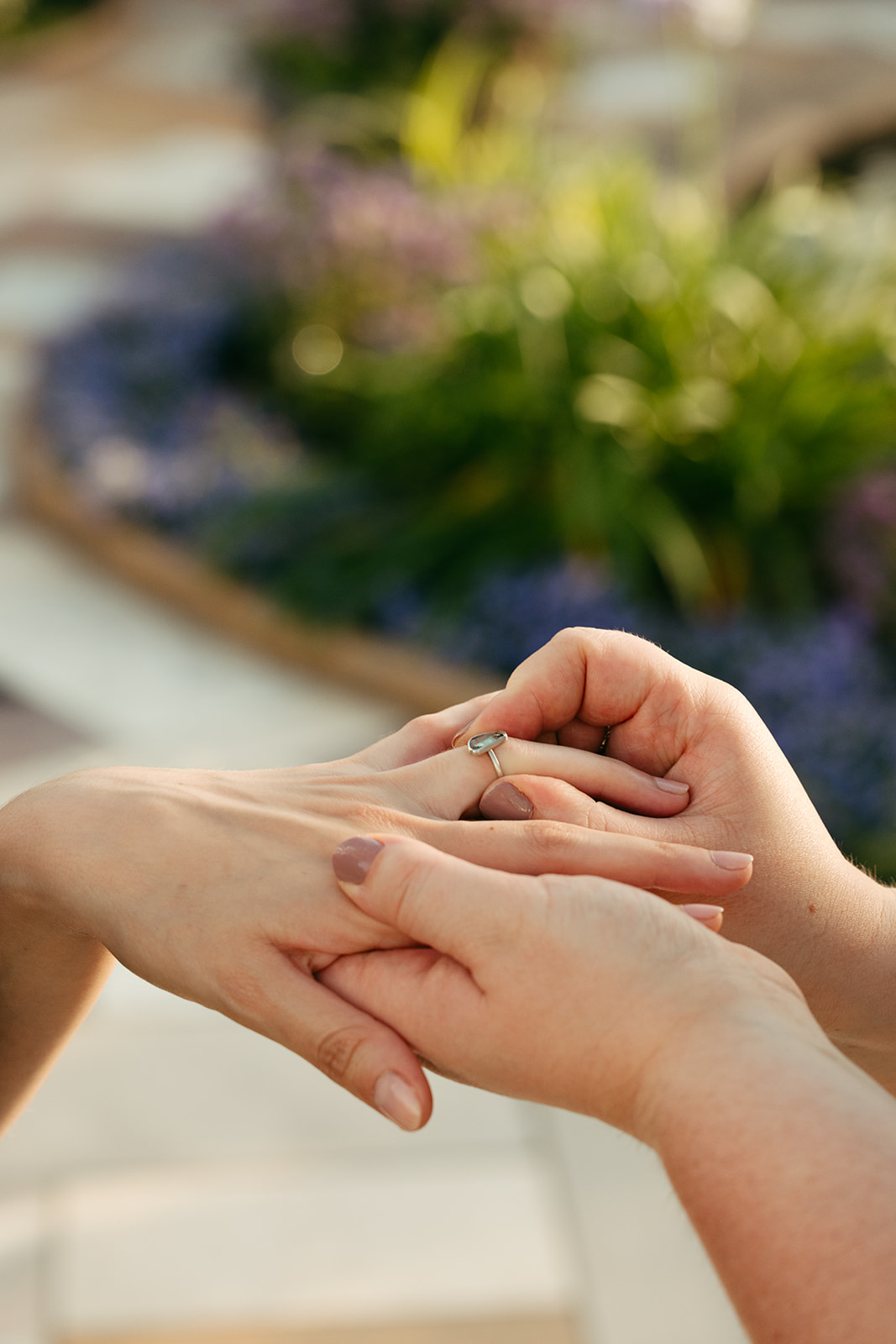

You just got engaged…now what?
I’ve spent seven years photographing weddings, elopements, courthouse days, and backyard parties across Minnesota and beyond. This guide is what I’d tell you if you texted me right now asking where to even start.
Here is my honest list of things to do after getting engaged, written for couples planning big weddings, intimate elopements, and everything in between.


Table of contents
- 1. Celebrate Your Engagement and Bask in the Joy
- 2. Take Engagement Photos.
- 3. Ideate What Kind of Celebration Actually Suits You.
- 4. Insure Your Engagement Ring.
- 5. Set Up a Shared Wedding Email Address.
- 6. Consider Opening a Credit Card for Wedding Purchases.
- 7. Start your Guest List—Privately, Between the Two of You First.
- 8. Understand What Choosing a Date Involves.
- 9. Tour Venues and Start To Get Quotes.
- 10. Book Your Wedding or Elopement Photographer.
- 11. Consider Hiring a Wedding Planner.
- 12. Put It In Your Calendar—Not Just the Wedding Date.
- 13. Consider a Longer Engagement as a Strategy.
- 14. Start Premarital Counseling.
- 15. Ignore the Algorithm and Hold Steady to Who You Are.
- Frequently Asked Questions:
- Best Minnesota Wedding Photographer for Film-Loving Couples


1. Celebrate Your Engagement and Bask in the Joy
Give yourself a window to just exist in the moment together before the world makes it a project. The moment people find out, the questions start. When’s the date? Where’s the venue? Have you picked a photographer?
When the inevitable planning questions start rolling in, practice one sentence: “We’re still figuring out the details but we’ll keep you posted.”
Celebrate with your family and friends and consider celebrating by throwing an engagement party! You can host your loved ones in-home or bring the party out to your favorite restaurant that has a party room. Other options include renting a space on Peerspace.
Easy ways to celebrate with an engagement party:
- Host at home.
- Reserve a party room at your favorite restaurant.
- Rent a space through Peerspace.
The point is: before you become a couple who’s planning a wedding, be a couple who just got engaged. Enjoy it!


2. Take Engagement Photos.
Engagement photos are not just a box to check for your save-the-dates. They’re proof you were here, at this exact stage of your relationship, before everything changed.
Think about the places that actually mean something to your relationship. Your home where you grew into family. The dive bar where you went on your third date. The restaurant you always go back to. The record shop, the arcade, the neighborhood you walk through together. The best engagement photos look like a really good date night that happened to be documented.
When couples lean into where they actually live their lives, something real comes out in the photos. It’s more like hanging out than performing. (Plus its nice to vibe with your wedding photographer 😉)
Browse unique engagement photo ideas from past couples to get a feel for what’s possible.


3. Ideate What Kind of Celebration Actually Suits You.
Before any planning happens, answer this question together: what do you actually want?
Not what your parents want. Not what you’ve seen on Instagram. What sounds like you?
The options are wider than most people think. A big traditional wedding is one option. So are a small backyard party, a courthouse elopement with a nice dinner after, a destination trip with witnesses, an intimate gathering in a place that means something to you, or anything you can dream up.
Some questions worth asking each other:
- Do we want guests? How many feels right?
- Do we care about the ceremony or is the party the point?
- Is location important? Do we want to get married somewhere specific?
- Do we want to elope? Do we also want a big party with the elopement?
- What matters most to us on this day?
You don’t need perfect answers yet. Just a shared direction.
This conversation determines everything that comes after it. Guest count drives your venue options. Your venue options drive your budget. Your budget shapes the rest. Getting clear on this first saves a ton of heartbreak down the road.


4. Insure Your Engagement Ring.
This one is boring and important so here’s what you need to know.
Your homeowners or renters insurance almost certainly does not cover your ring the way you think it does. Standard policies cap jewelry coverage at $1,500 to $2,500, and that’s theft only. It doesn’t cover loss or the stone falling out of the setting in a parking lot.
A standalone jewelry insurance policy covers all of that. The cost is 1 to 2 percent of the ring’s appraised value per year. For a $6,000 ring, that’s roughly $60 to $120 per year.
How to actually insure a wedding ring:
- First, get the ring appraised by an independent jeweler. Many jewelers provide this with the purchase — if yours didn’t, get a separate appraisal. This document tells the insurer what the ring is worth and what it would cost to replace.
- Then get quotes from specialized jewelry insurers. Jewelers Mutual, BriteCo, and Lavalier (through Progressive) are the most common. All offer online quotes in minutes.
If you’re planning on taking any big domestic or international trips, it’s best practice to wear a “fake” engagement ring while traveling.


5. Set Up a Shared Wedding Email Address.
Name it something that works after the wedding too.
For example:
FirstNameFirstName.LastName@gmail.com.
LastNameLastName@gmail.com.
A few tips for your new shared email:
- Turn on two-factor authentication immediately. You’ll be receiving contracts, invoices, and payment links so you’ll want to protect your email.
- Create folders from the start: Venue, Photography, Catering, etc. Five minutes of setup saves time searching later.
- Set push notifications. This is the one couples forget. If you create a second inbox and don’t check it, you’ll miss your photographer sending your gallery, your venue coordinator following up, or a vendor asking a time-sensitive question.


6. Consider Opening a Credit Card for Wedding Purchases.
Wedding spending tends to also be concentrated over a short window—retainers, venue fees, catering minimums. Couples who put that spending on the right card have walked away with enough points to cover flights, hotels, or a significant chunk of their honeymoon.
It’s important to note that not every vendor accepts credit cards. Some venues, caterers, planners, and photographers only accept ACH bank transfers or checks. Or if they allow credit they charge you the transaction fee.
Personally, I find that practice kinda gross so I allow all my clients to pay as they please–debit, credit, or ACH without transaction fees.
7. Start your Guest List—Privately, Between the Two of You First.
The guest list is the single biggest driver of your entire wedding budget. Before you tour venues or price anything, you need a rough head count.
While it may seem insensitive to rank your friends and family by importance, use a scale from 1 to 5 for how badly you want them to be there can be helpful to narrow down a list.
A few tips for narrowing down your guest count:
- When’s the last time they’ve been over to your home?
- Have you seen them in the past three years?
- What do they mean to you?


8. Understand What Choosing a Date Involves.
Start with the season, not the specific date.
Think about what season fits your life. Work schedules, family travel windows, and career seasons all matter. Once you’ve narrowed down to a season, get more specific.
Think about what you want your anniversary to be. You’ll say this date for the rest of your life. Make sure it feels right.
Season:
Minnesota peak season runs late spring through early fall. June through October Saturdays fill up first and cost the most. Fall is stunning and competitive. Winter off-season gives you more availability and sometimes lower rates.
Day of Week:
Saturday is the most expensive and hardest to book. Thursday, Friday, and Sundays tend to be more flexible.
Other Significant Dates:
You probably don’t want your wedding falling too close to birthdays or death-anniversaries. And if you’re into numerology, that may play a factor into which dates you may prefer.
Venue Availability:
Your date and venue are connected so you’ll choose them in tandem.


9. Tour Venues and Start To Get Quotes.
Venue and catering will be your single largest expense, so this decision deserves the most attention.
If you’re still figuring out what kind of venue fits you, explore 13 unique Minnesota wedding venues worth knowing about— it covers everything including honest notes and real galleries.
Full service venues include tables, chairs, utensils, and linens. If it’s not a full-service venue then it’s often priced separately and may surprise you.
Some venues require you to use a caterer from their preferred vendor list. For tastings, many cost money upfront and only credit toward your total if you book while other tastings are free.
Questions to ask your venue:
- What is and isn’t included in the rental fee?
- Do you have a required vendor list?
- What is the noise curfew and end time?
- Is there a room flip required? If yes, who does it, how long does it take, and where do guests go?
- What’s the weather backup plan?
Map of 50+ Wedding Venues to Explore Across Minnesota
Feel free to explore my mega list of Minnesota venues. If you open the side view button on the top left, you’ll be able to sort and filter through the styles of venues as well.


10. Book Your Wedding or Elopement Photographer.
Photos and videos are the only thing you keep after the wedding. It’s your first investment into your preserving your family’s legacy.
For peak Minnesota Saturdays in summer and fall, good photographers start filling up 12 to 18 months out. If you find someone you’re vibing with, send the inquiry. You don’t need a locked-in venue or date to start putting out feelers. If you inquire without a specific date or venue booked, add additional context to month/days you’re looking at.
Take a look at my work, get a feel for my approach, and say hi to me if it resonates!


11. Consider Hiring a Wedding Planner.
A wedding planner is often times a necessary trade-off. The question is whether the time, stress, and coordination a planner handles is worth more to you than the cost. For a lot of couples, especially those with demanding jobs or large guest lists, the answer is yes.
There are different levels of support available. A full-service planner handles absolutely everything from vendor sourcing, to invite suites, to day-of execution on par with your creative direction. A day-of coordinator manages vendor setup, rehearsal, and keeps the timeline running on the actual day.


12. Put It In Your Calendar—Not Just the Wedding Date.
Over the next year or two, your calendar needs to hold a lot more than just your wedding date.
Here’s the other wedding related events to keep in mind:
- Venue tours
- Food tastings
- Dress / suit shopping appointments
- Ring sizing appointments
- Bridal showers
- Bachelor and bachelorette parties
- Rehearsal dinner party
You’ll also need to keep doing your actual job. Blocking out time for all of it in advance is the difference between a manageable planning process and one that consumes everything.


13. Consider a Longer Engagement as a Strategy.
You don’t have to lock in and rush wedding planning just because you’re excited. Average engagements run 12 to 18 months for a reason. A longer engagement means having time to to book the vendors you actually want, save the money you need, and not feel like you’re constantly running behind.
If you’re planning on having a shorter (6 -12 month long) engagement, you should think about getting the ball rolling on wedding planning conversations within the first month of getting engaged.


14. Start Premarital Counseling.
If you’re working with a religious officiant, they often require premarital counseling as part of their process. And many officiants want to be brought into the planning early—not just for ceremony logistics, but to get to know you as a couple before writing the ceremony.
Here’s the practical reason to do it early: in Minnesota, completing 12 hours of premarital counseling reduces the cost of your marriage license from $125 to $50. Setting your marriage up for success is the point, but the savings don’t hurt.


15. Ignore the Algorithm and Hold Steady to Who You Are.
As soon as the algorithm detects you’re engaged, it pivots hard.
Suddenly your feed fills with weight loss supplements, workout plans, “how to be the hottest bride” content, and the same five wedding tips on loop. Your family will also start sending you the same reels. Turn off notifications. Thank everyone warmly. Then ignore all of it.
You don’t need to be a different version of yourself for your wedding day. You built a beautiful life together already. The wedding is a celebration of that, not a transformation project.


Frequently Asked Questions:
Celebrate and take some fun engagement photos! Then have the honest conversation with your partner about what kind of celebration actually fits your life and your goals.
Quick grammar lesson as you get to call your partner a new, fun term. One E at the end means he/him. Two E’s means she/her. Both are used for gender-neutral or non-binary partners. A tip to remember this is that a woman is often considered “extra elegant” on her wedding day, therefore requiring the extra ‘e’.
Not on day one. First, get a feel for what things actually cost in your area. Start with venue and catering research since those will set the ceiling for everything else. Then build the budget around real numbers instead of guesses. It’s important to keep budget in mind to save you from any unnecessary heartache if you fall in love with a certain vendor that no longer fits into your priorities.
If you’re planning on having a short (6 -12 month long) engagement, you should think about getting the ball rolling on wedding planning conversations within the first month of getting engaged.
If you’ve found someone you’re vibing with, send them an inquiry, no matter where you’re at in the planning process. You are allowed to inquire while still solidifying dates and venues. Your wedding photographer is the only vendor you’re going to spend 95% of your day with so make sure you find someone you like.
Best Minnesota Wedding Photographer for Film-Loving Couples
Well, thanks for scrolling all the way to the bottom! I’m Brianna Kirk—a hybrid film and digital wedding photographer and videographer based in Minneapolis, available to travel anywhere.
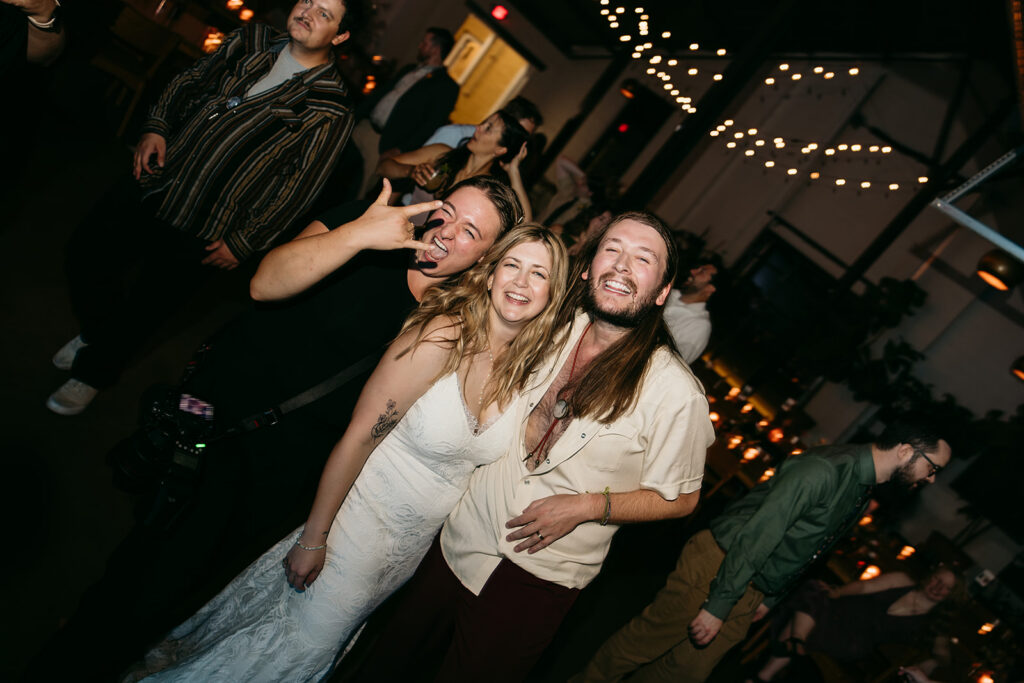
What an Wedding Investment with Bri Includes
- A minimum of eight hours together and can extend to all-day weekend coverage, depending on what your experience
- A high-res gallery filled with both 35mm film and digital images (+ print rights)
- An artist’s eye for both the obvious moments and the in-between ones
- 48 hour sneak peek photos where you’ll be left saying, “damn we look gooddd”
- All sorts of admin support and communication
- 7+ years of professional photography experience to make your photo dreams come true
- Starting wedding investment and full wedding details can be found here.
If you loved these photos and my approach sounds intriguing to you, slide into my inbox and let’s get to know each other!